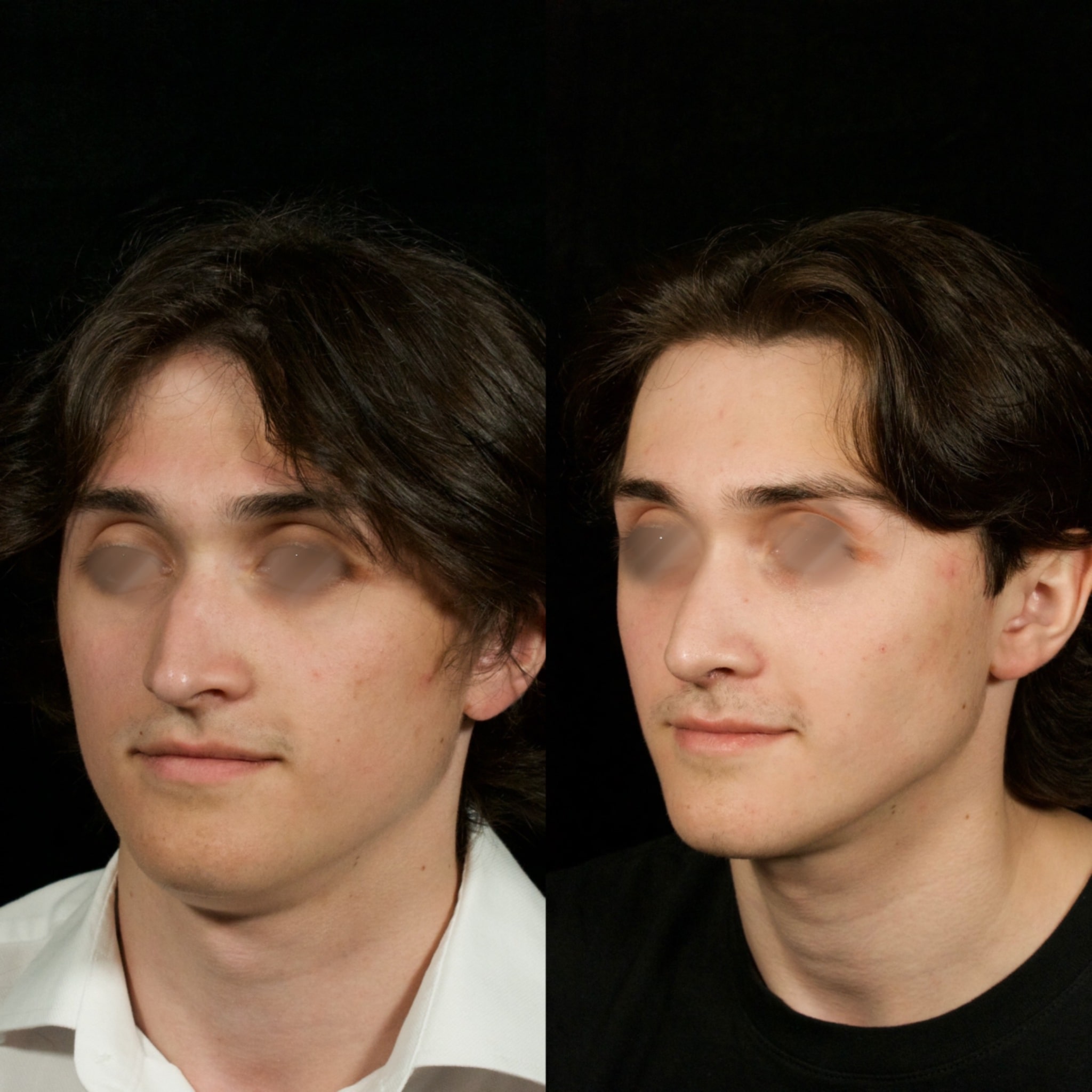
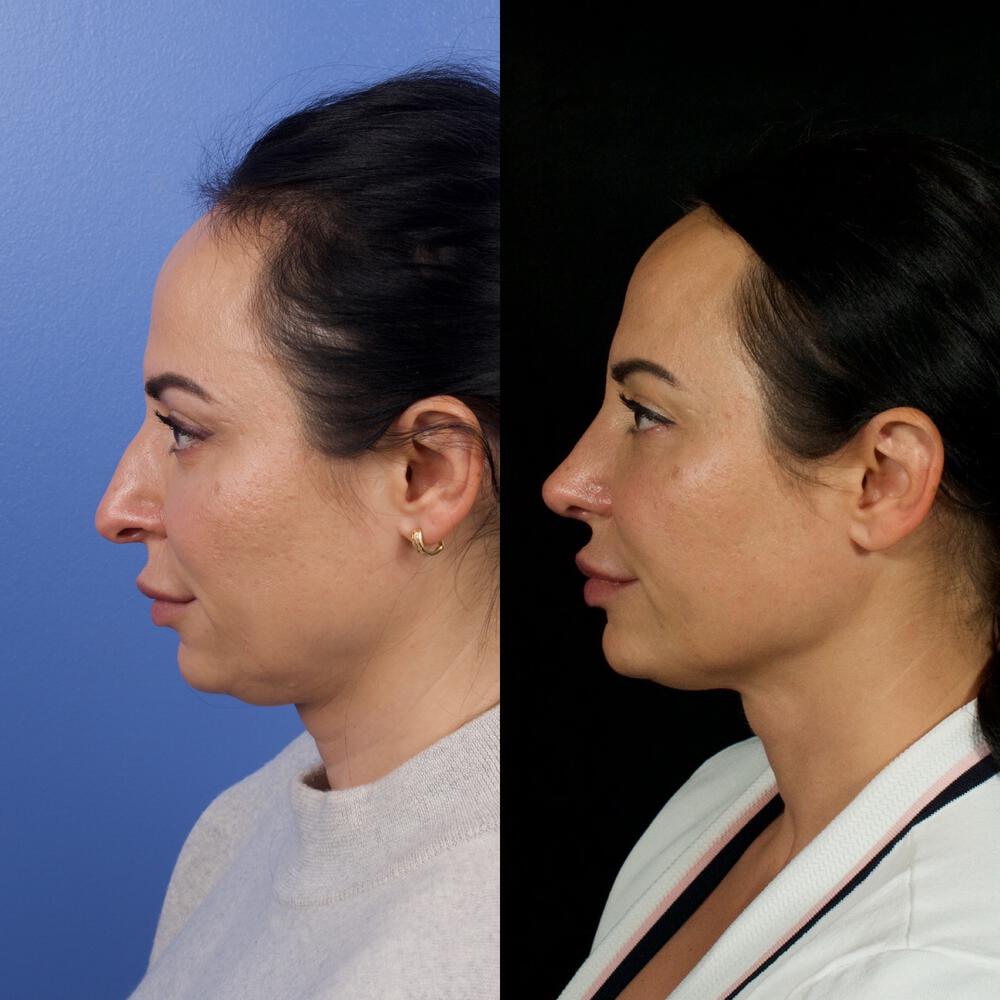
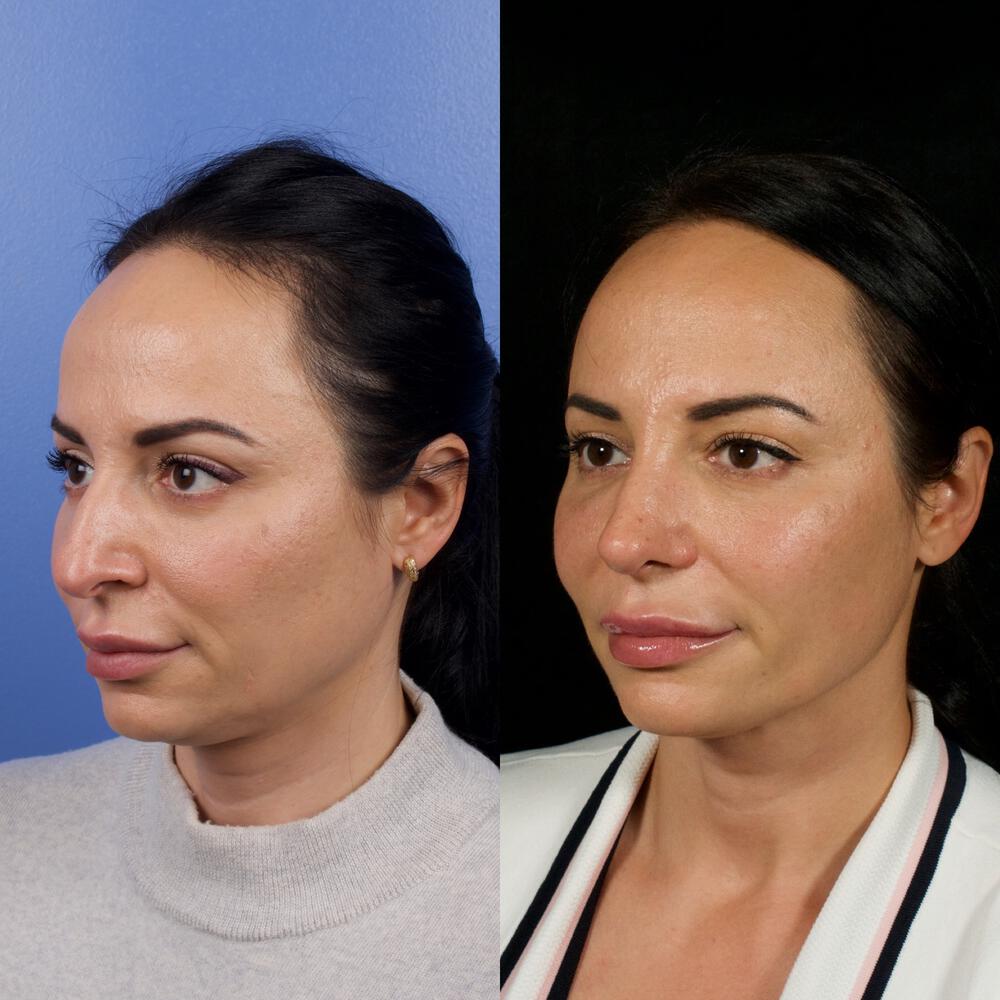
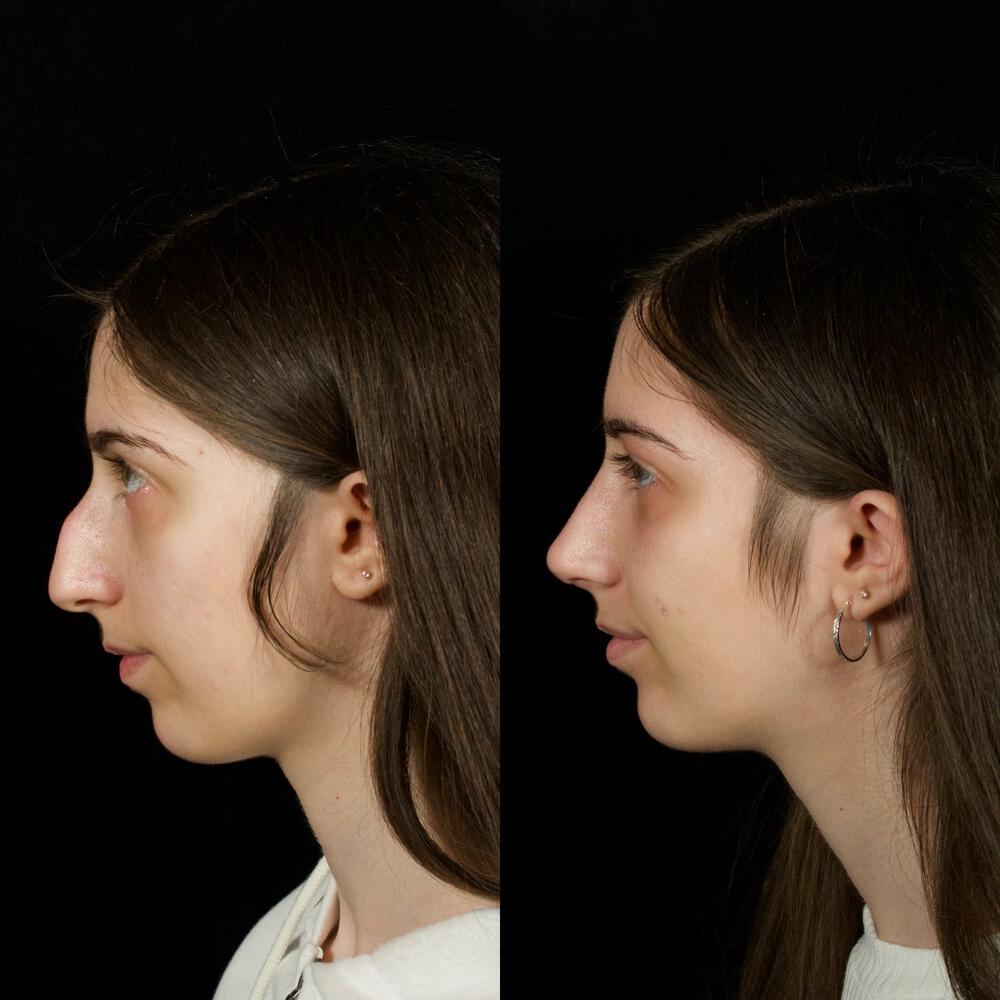
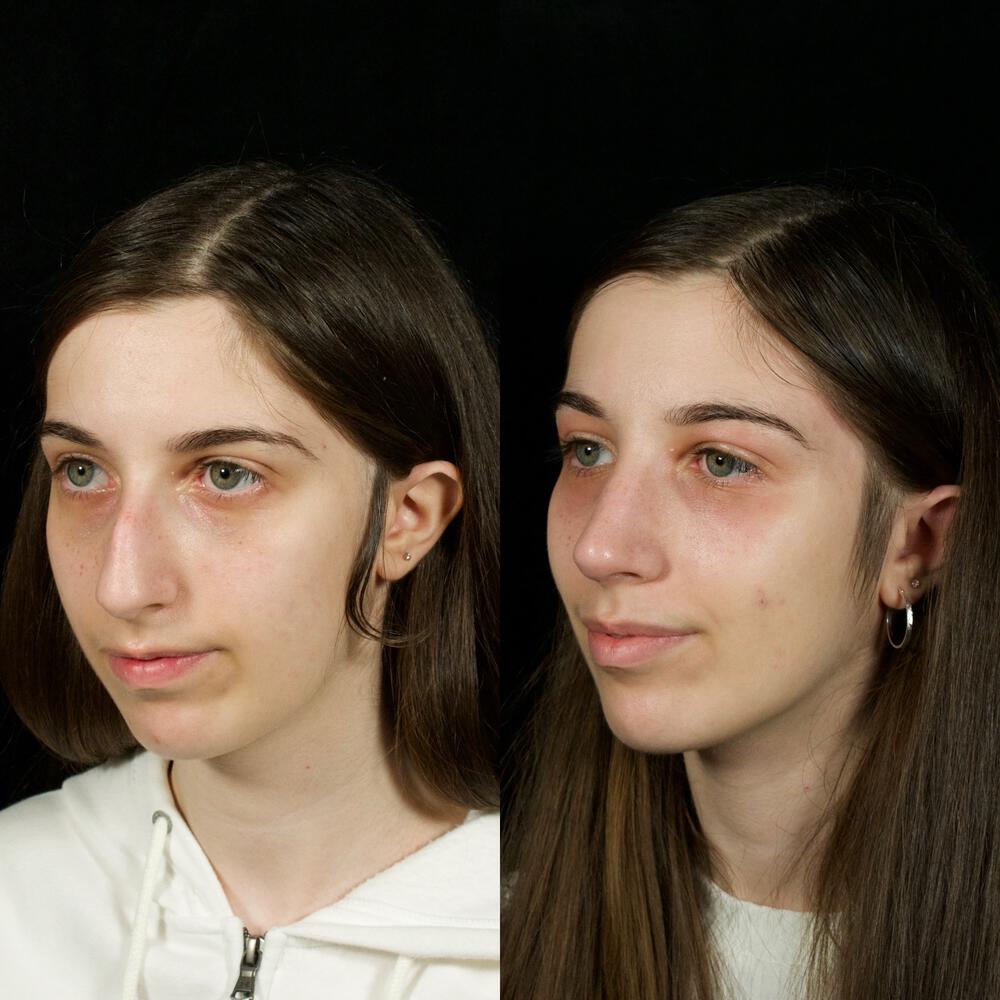
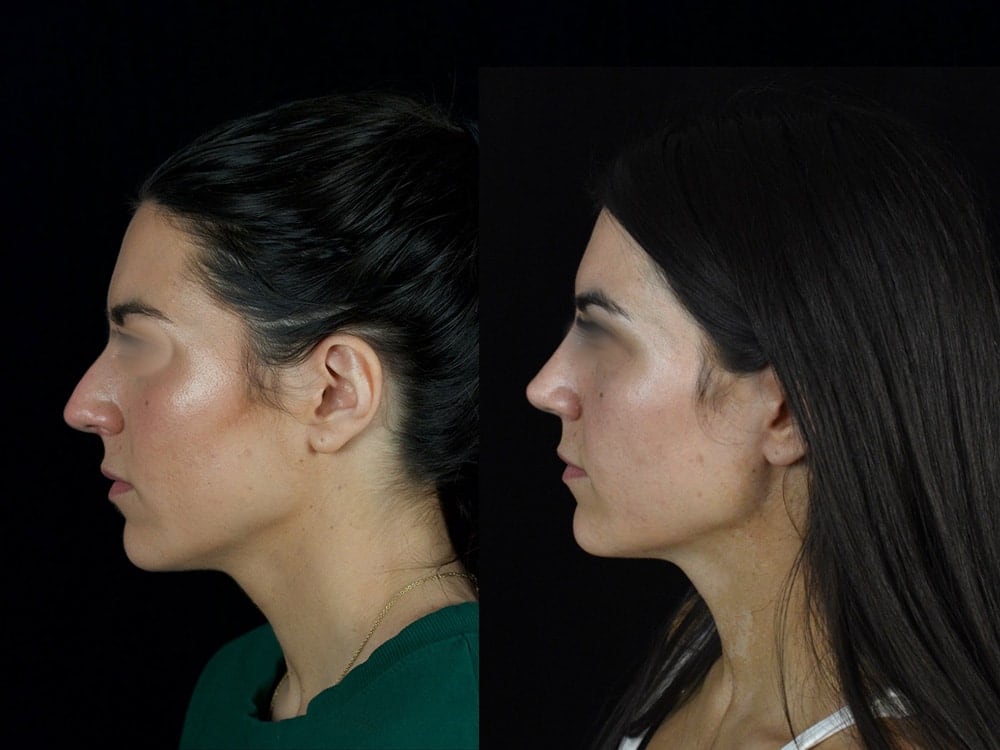
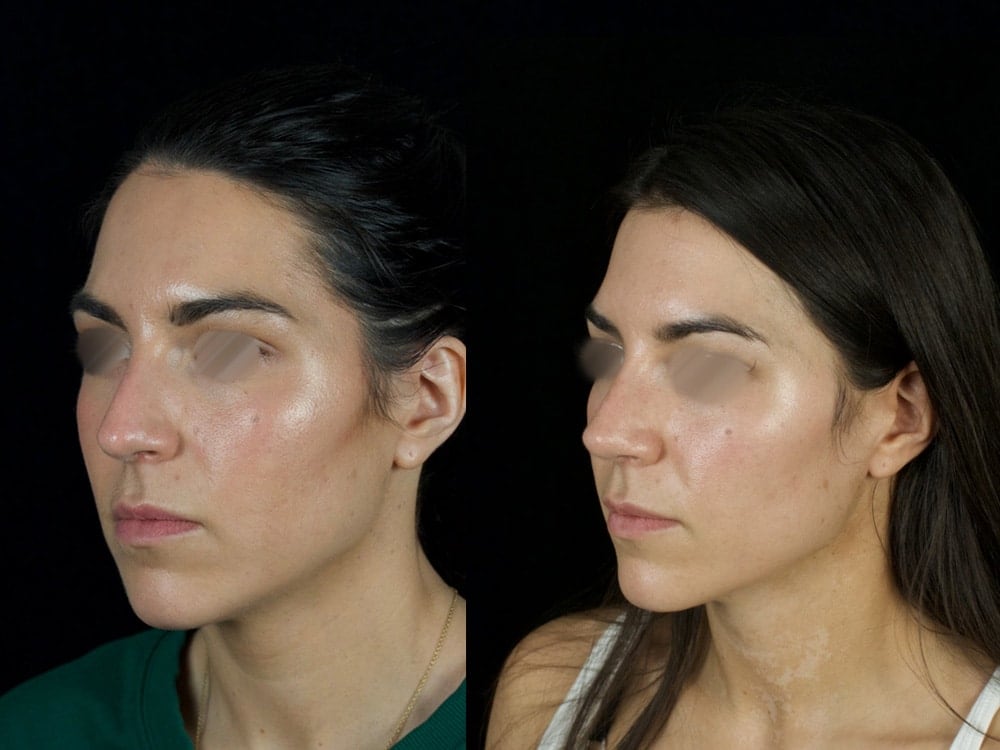
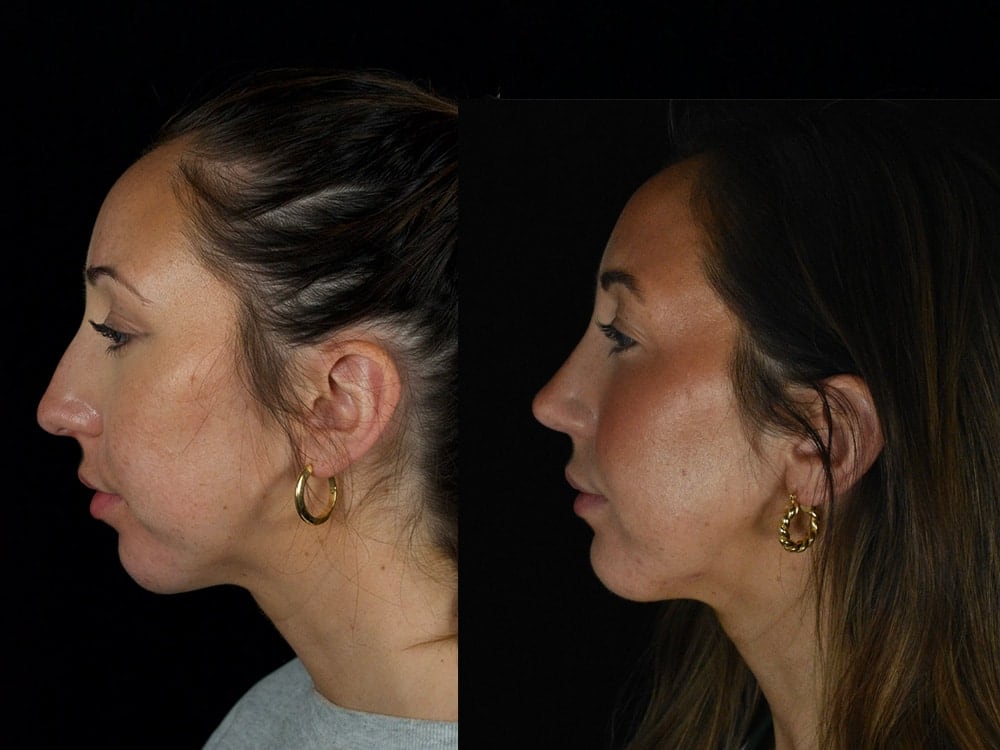
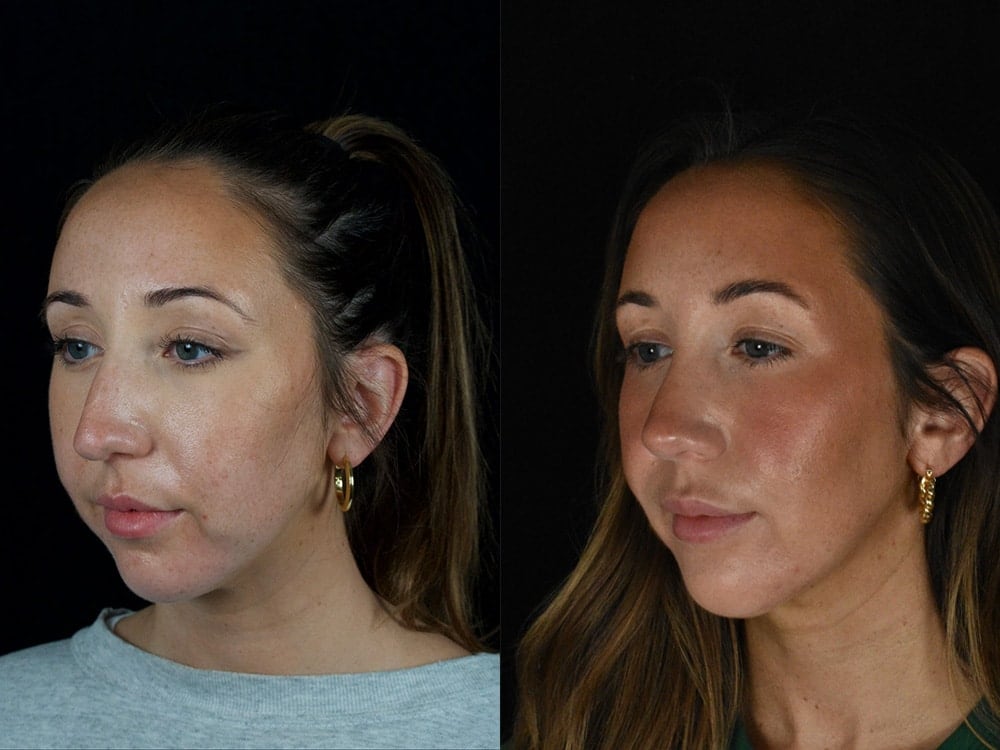
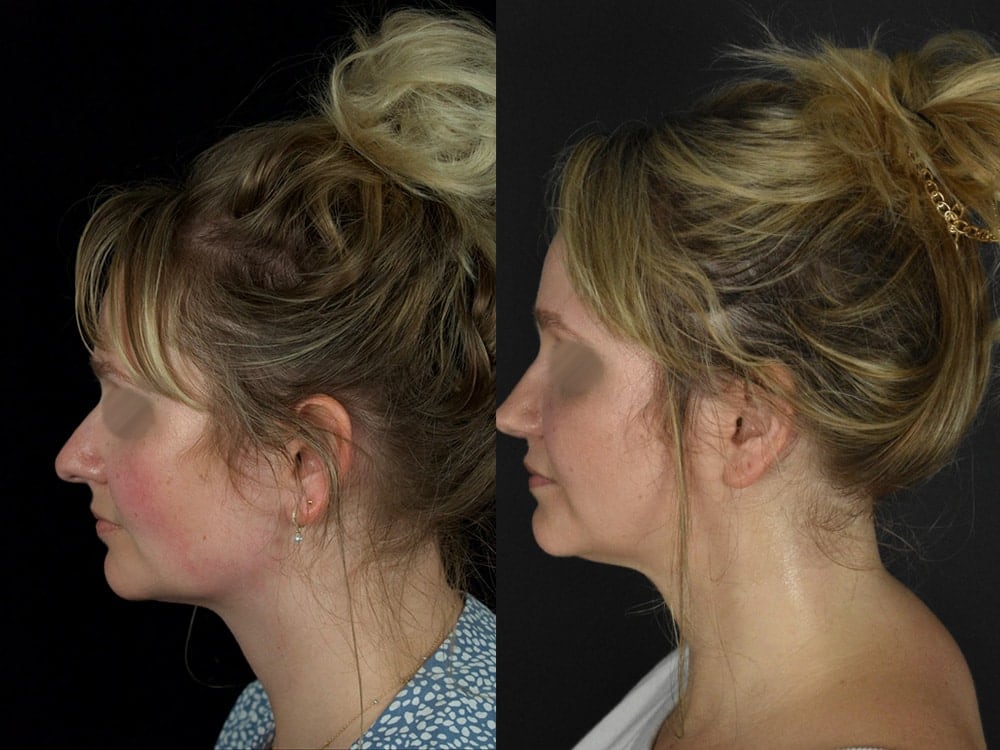
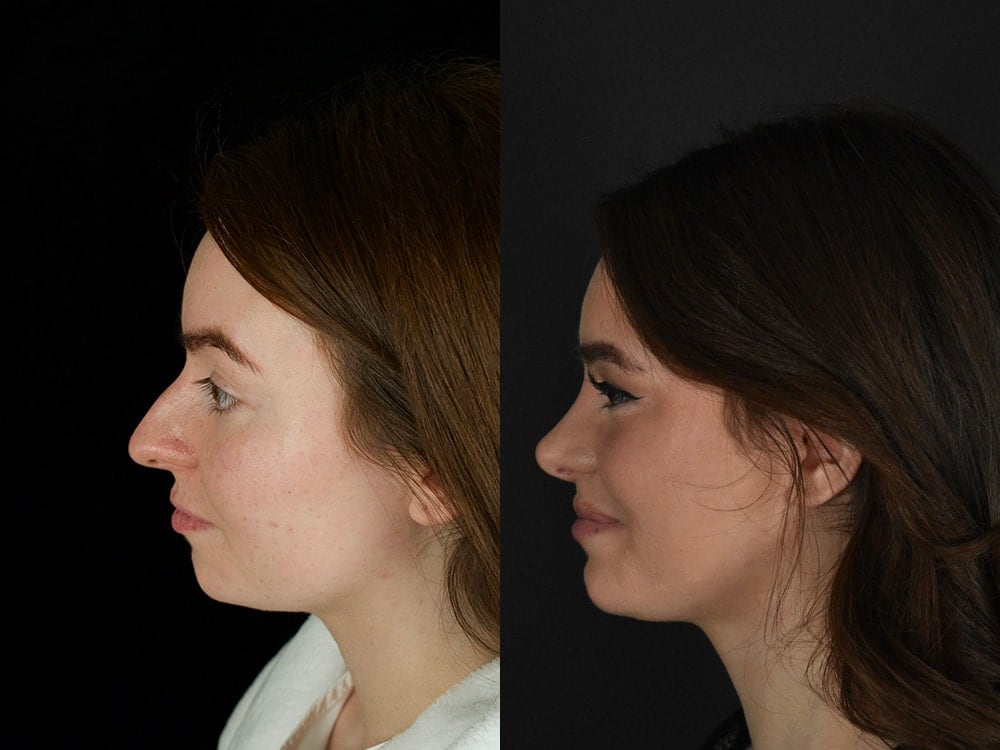
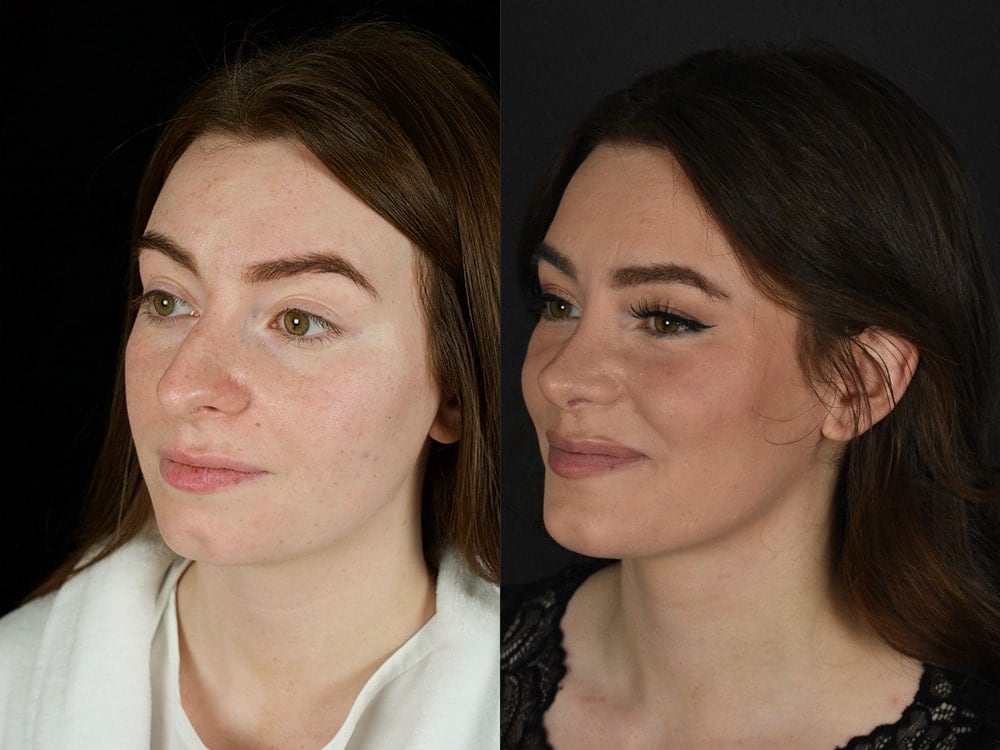
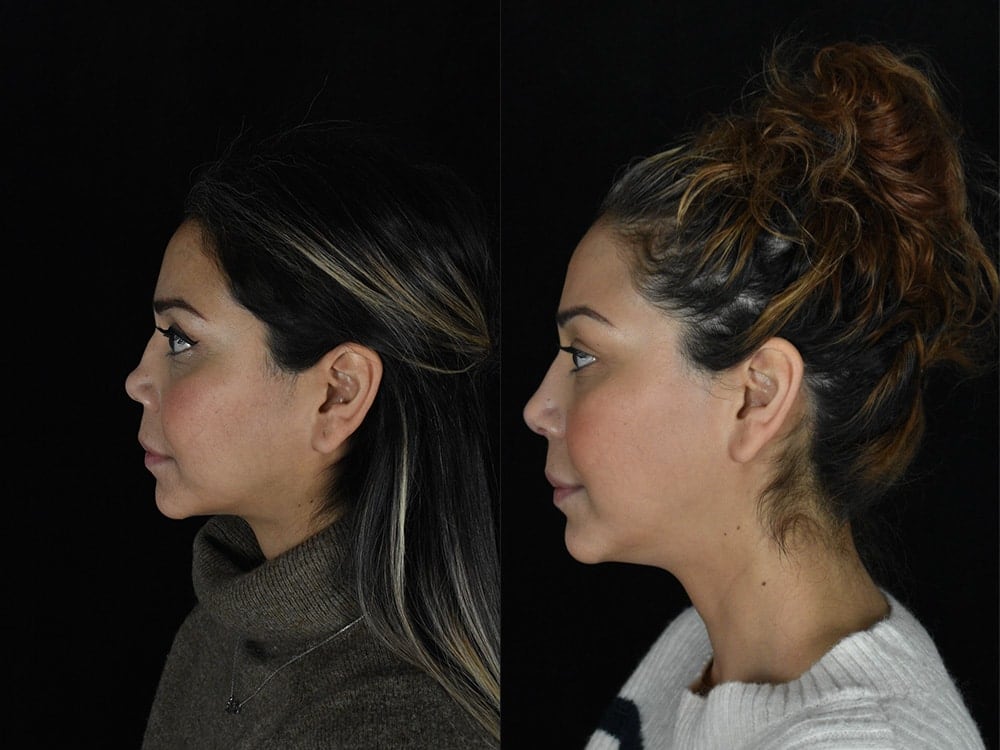
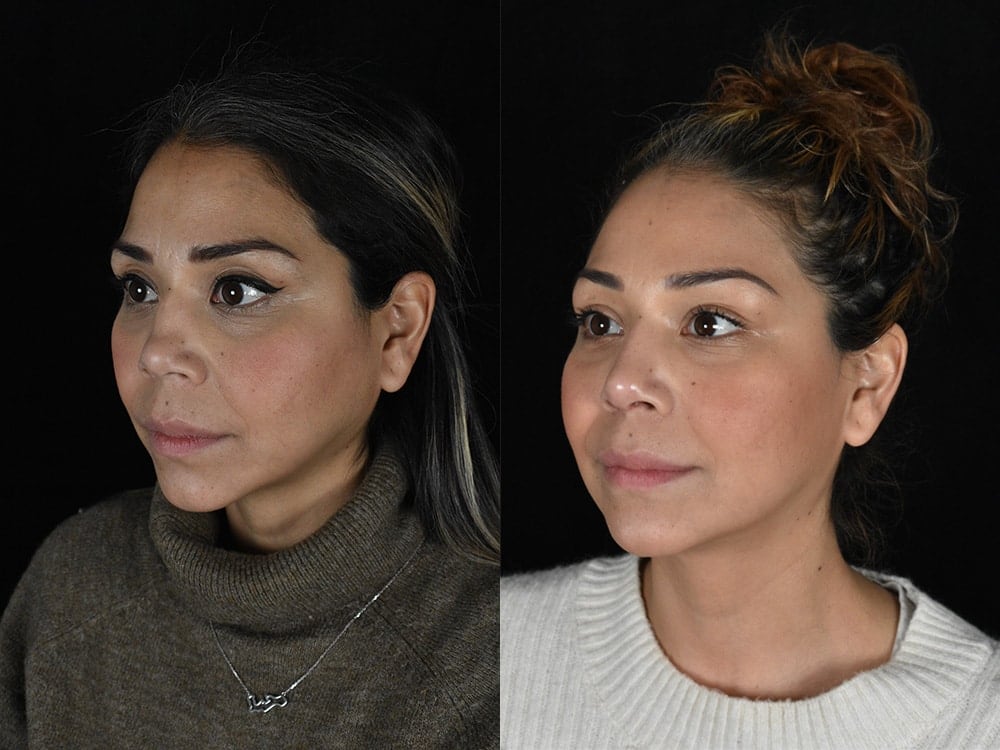
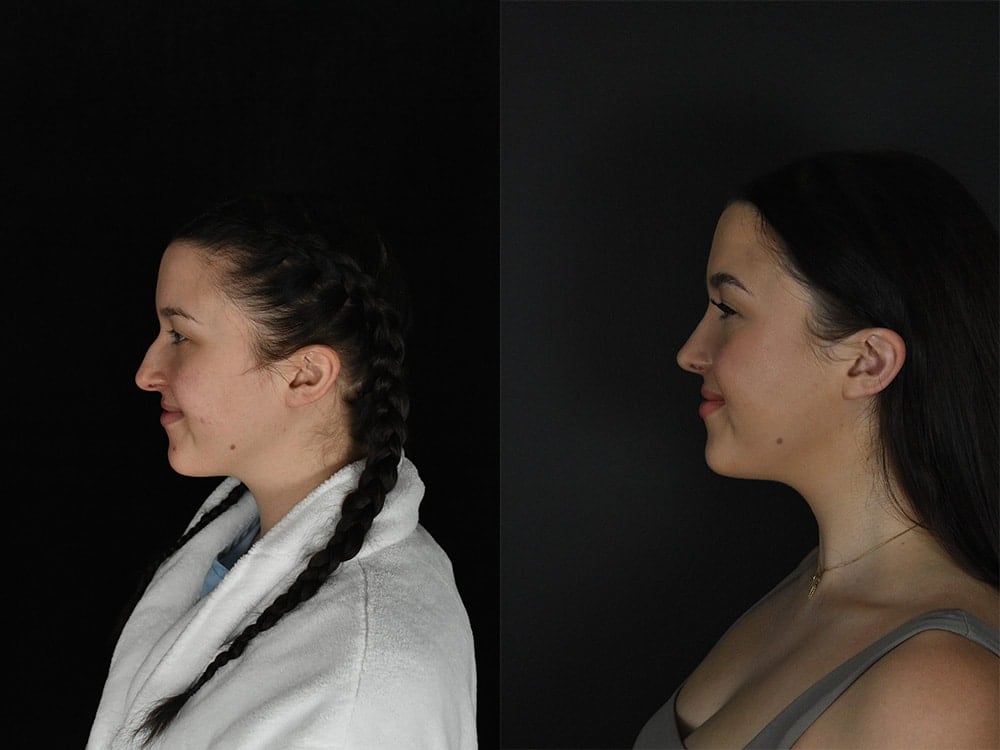
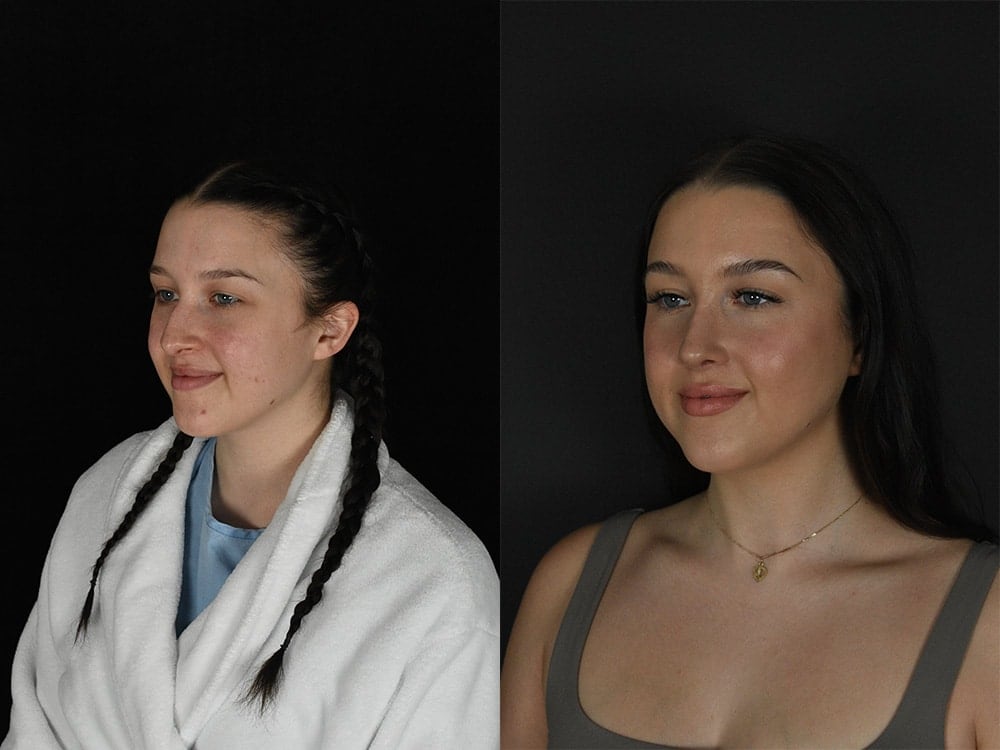
How to determine what face procedure you may be a candidate for?

(416) 922-4513 Contact

RhinoplastyToronto, Ontario

Your nose is the centerpiece of your face. And when you feel that it doesn't reflect the "true you," your confidence can suffer. It may be too big. It may be crooked. Either way, it doesn't look like the nose you feel should be yours. Fortunately, nose reshaping surgery or “rhinoplasty” can make things right.

If you want your nose to be perfect, Toronto rhinoplasty expert Dr. Mike Roskies can make your dream a reality. He has years of experience helping people in Toronto and across Canada achieve their most beautiful look. Dr. Roskies is a world-authority on Preservation Rhinoplasty, a precise technique that creates natural looking noses and reduces the incidence of complications. He and his highly-trained team are dedicated to providing the highest quality rhinoplasty in Toronto and rhinoplasty in Canada for patients, correcting the issues they have with their noses. Dr. Roskies knows the nose.

What is Rhinoplasty?

Dr Mike Roskies logo

Rhinoplasty, commonly referred to as a "nose job", is quite literally, shaping of the nose. It is the third most common cosmetic surgery performed today and the goals are to reshape and to resize the nose in order to create harmony within the face. Additional goals may be to improve nasal breathing or to reconstruct the nose after skin cancer. Categories of rhinoplasty include:

  • Primary rhinoplasty: preservation, structural or reductive
  • Ethnic rhinoplasty
  • Tip plasty (addressing the tip only)
  • Alar plasty (addressing the nostrils only)

Who Is An Ideal Candidate?

Dr Mike Roskies logo
  • Your nose is too large or too small
  • Your nose does not seem to fit with the rest of your face
  • Your nose is crooked, badly shaped, or out of alignment
  • You have nasal blockage inside your nose and have trouble breathing
  • You have a birth defect that you would like improved
  • You would like improvement, not perfection, in the appearance of your nose
  • You are in good health, have a positive outlook and realistic expectations
Toronto Surgeon Dr Mike Roskies with model with red hair

The Science of Preservation Rhinoplasty

This is the future of nasal surgery. For decades, traditional "reduction" rhinoplasty relied on cutting away bone and cartilage to shrink the nose. While often effective, this subtractive approach can sometimes weaken the nasal vault, leading to long-term issues like collapse, breathing difficulties, or an "operated" look years down the line.

Dr. Roskies is a world authority on Preservation Rhinoplasty, a philosophy that flips the script. Instead of cutting off the top of the nasal bridge (the "roof"), Dr. Roskies removes small strips of cartilage and bone from underneath the foundation. This allows him to lower the entire bridge intact, preserving the natural smooth lines of the nose and the vital ligaments that keep the airway open.

The Benefits of Preservation:

  • Natural Contour: Because the native nasal bridge is kept intact, there are no irregularities or "stair-step" deformities often seen in traditional reduction.
  • Ligament Sparing: Keeping the nasal ligaments attached prevents the tip from drooping over time.
  • Faster Recovery: By working in a distinct surgical plane, there is significantly less trauma to the lymphatics and blood vessels.

Ultrasonic Precision (The Piezo Device)

To execute this level of detail, manual tools like hammers and chisels are often insufficient. Dr. Roskies utilizes the Piezo-electric (Ultrasonic) Rhinoplasty Device. This technology uses high-speed sound waves to polish and reshape the nasal bone without damaging the surrounding soft tissue, skin, or mucous membranes.

For the patient, this technological difference is palpable. Because the soft tissue is spared, postoperative bruising and swelling are drastically reduced. Most patients describe their recovery sensation as "head congestion" rather than acute pain.

Who Is An Ideal Candidate?

Rhinoplasty is a highly individualized procedure. The best candidates are those looking for improvement, not perfection, and who have a clear understanding of what surgery can and cannot achieve. You may be a candidate if:

  • Structural Concerns: You have a dorsal hump, a bulbous tip, or a nose that is too wide or projected for your face.
  • Asymmetry: Your nose is crooked or deviates to one side (often due to past injury).
  • Breathing Issues: You suffer from chronic nasal obstruction, snoring, or a deviated septum.
  • Facial Balance: You feel your nose dominates your profile or draws attention away from your eyes.
  • Revision Needs: You have had a prior nose job and are unhappy with the aesthetic or functional outcome.

Contraindications: Patients with active nasal infections, uncontrolled bleeding disorders, or unrealistic expectations (such as wanting a celebrity’s nose that does not fit their anatomy) are not suitable for surgery. Dr. Roskies will also assess your skin thickness; extremely thick skin may limit definition, while extremely thin skin requires precise camouflage techniques.

"The best nose is the one that you no longer notice. It should direct attention to your eyes, not itself."
— Dr. Michael Roskies

Anatomy of a Procedure: Tailored Approaches

No two noses are identical. Dr. Roskies adapts his surgical plan based on gender, ethnicity, and age.

Male Rhinoplasty

The male aesthetic requires a different eye. While a female nose often benefits from a slight supratip break (a subtle curve) and a refined tip, a male nose typically looks best with a strong, straight dorsum and adequate projection. Over-reduction in men can feminize the face. Dr. Roskies focuses on maintaining a masculine profile, straightening the bridge, and ensuring the nose remains proportional to a stronger chin and jawline.

Ethnic Rhinoplasty

Toronto is one of the most diverse cities in the world, and our patients reflect that. Ethnic rhinoplasty addresses specific anatomical traits found in African, Asian, Middle Eastern, and Hispanic noses—such as thicker skin, weaker lower lateral cartilages, or a lower bridge. The goal is never Westernization. Instead, Dr. Roskies strengthens the underlying framework to improve definition and projection, refining the nose in a way that harmonizes with your heritage.

Teen Rhinoplasty

For younger patients, timing is critical. Surgery should only be performed once facial growth is complete—typically around age 15-16 for girls and 16-17 for boys. Beyond physical maturity, emotional maturity is paramount. We ensure our teen patients are driving the decision themselves, rather than doing it to please parents or peers.

Why Dr. Roskies?

"The best nose is the one that you no longer notice" - Dr. Michael Roskies

  • 15,000 hours spent operating on the face
  • True understanding of form and function of the nose
  • Aesthetic eye refined during two fellowships
  • Published numerous scientific studies and textbook chapters on the nose
  • Teaches residents rhinoplasty at University of Toronto

How do I know if Rhinoplasty is right for me?

—Mike Roskies, MD, MSc, FRCSC

Dr. Roskies can help you figure out if rhinoplasty is the right answer to your problems. During your consultation for a rhinoplasty Toronto Facial Plastic Surgeon Dr. Mike Roskies will thoroughly examine the current condition of your nose and talk you through options on how to correct the details that keep you from looking the way you want. He will also listen attentively to your concerns and answer any questions you may have. He wants you to feel educated and comfortable throughout your process. Together, you will craft a personalized rhinoplasty that fits your unique needs and lifestyle.

Rhinoplasty Procedure

Mike Roskies, MD, MSc, FRCSC

Dr Mike Roskies logo Toronto Dr Mike Roskies with model with red hair

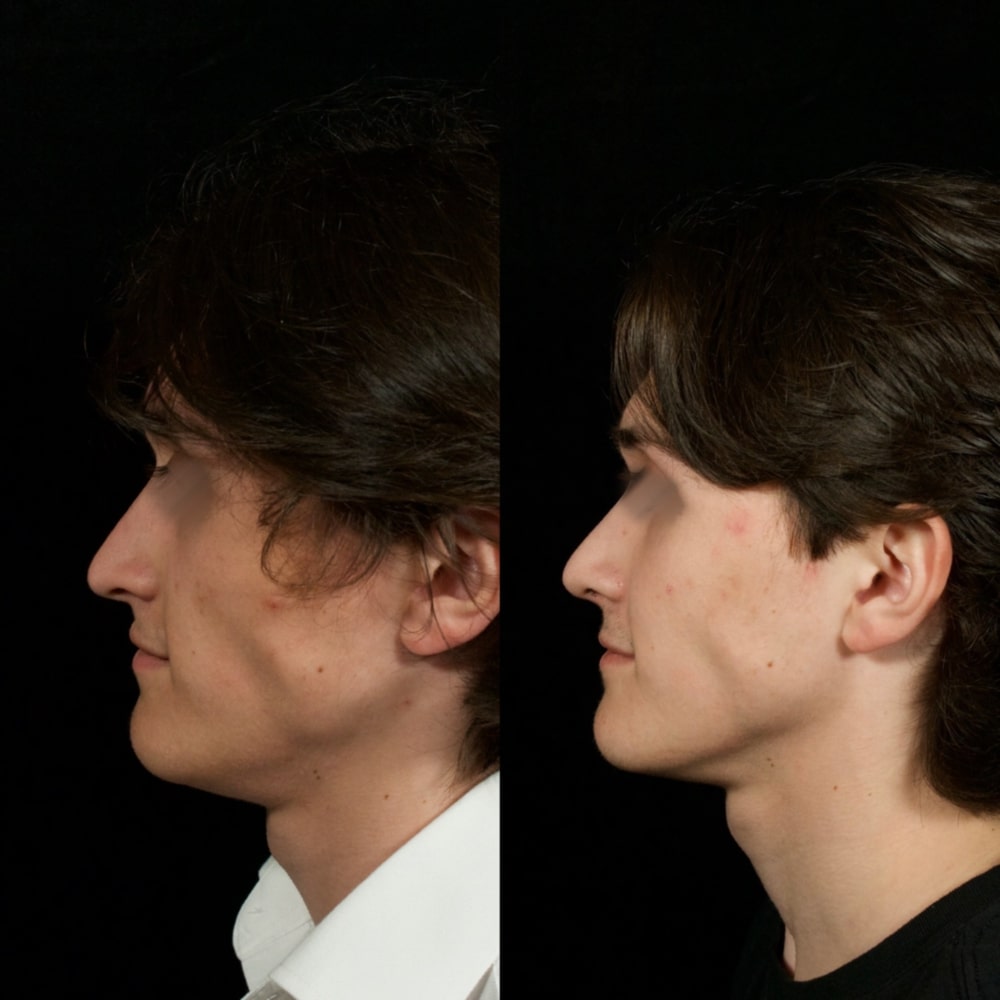
Dr. Roskies has spent his career training with rhinoplasty experts, learning every single nuance, and has developed his own “winning formula.” My goal is to give you a nose that withstands the forces of life and trends of the time so that in 30 years from now, you are still happy with your choice. In the majority of cases, he will employ the "Preservation Rhinoplasty" technique, otherwise known as the "new wave of nasal surgery." In this technique, surgeons "preserve" all that is good with a nose: how the bridge is smooth, how the ligaments hold the skin in place... and make minimally-invasive and precise changes along the way.

The rhinoplasty surgery usually starts with an open approach, leaving a barely noticeable scar under the nose. Once all the bones and cartilages are identified, the newest equipment like the Piezo-electric (ultrasonic) Rhinoplasty Device is used to precisely sculpt the nose, instead of using a hammer and chisel that leads to short and long-term complications. This leads to an overall easier recovery for you with less swelling, bruising, and pain. Most importantly, once healed, the nose will keep its form and function forever.
Rhinoplasty Recovery

You will go home with a cast, tape, and a dressing for the nose. This will come off between 5-8 days.

Roskies Rule of 2s

  • 2 weeks: socially presentable
  • 2 months: swelling hits 40-50% reduction
  • 2 years: skin is back to baseline

Potential Complications

  1. Hematoma (blood collection), bruising, swelling
  2. Infection
  3. Septal perforation (hole)
  4. Scars
  5. Numbness in lip and teeth 
  6. Need for revision surgery

Intended Results

  • To lengthen, shorten, straighten rotate, derotate, project, deproject the nose
  • To improve breathing

Cost of Rhinoplasty in Toronto

We believe in transparency. However, because every nose requires a unique surgical plan, a fixed quote is impossible without an examination.

What influences this cost?

  • Surgical Complexity: A primary rhinoplasty is different from a complex revision case requiring rib cartilage grafting.
  • Technology Used: The use of the Piezo ultrasonic device and specialized preservation instrumentation.
  • Anesthesia & Facility: We operate only in fully accredited surgical facilities with board-certified anesthesiologists for your safety.
  • Post-Op Care: Your fee includes your follow-up appointments and standard recovery therapies.

Note: Financing options are available for patients who wish to pay over time. A detailed quote will be provided at your consultation.

Toronto Dr Mike Roskies staff

Why Choose Dr. Mike Roskies?

In a city full of plastic surgeons, trusting your face to Dr. Roskies means choosing a specialist who is not a "jack of all trades," but rather a surgeon exclusively dedicated to the face and neck. He actively teaches rhinoplasty to residents at the University of Toronto, ensuring he remains at the forefront of academic medicine.

As one of the few surgeons in Canada recognized as an authority on Preservation Rhinoplasty, Dr. Roskies frequently combines this advanced technique with ultrasonic technology to deliver superior, stable results. This technical expertise is backed by the "Roskies Eye"—honed through two fellowships and over 15,000 hours of operating experience —which prioritizes true facial harmony over generic "ski-slope" outcomes. Furthermore, your experience is supported by comprehensive aftercare; our dedicated "Head of Recovery" ensures you are never left alone, providing everything from lymphatic drainage to laser treatments until your result is final.

Schedule your Toronto Rhinoplasty consultation with Dr. Mike Roskies today

Better breathing and your best look may just be one visit away. If you’re ready to explore the possibilities a rhinoplasty may hold for you, click here to request an appointment at Dr. Roskies’ clinic in Toronto for rhinoplasty. You can be on the way toward getting the healthy, beautiful look you’ve always dreamed of today!

Rhinoplasty Frequently Asked Questions

You will not feel any pain during the procedure due to anesthesia. Following a rhinoplasty Toronto patients will have medication to control discomfort and a detailed recovery plan to minimize pain during recovery. You will experience some tenderness in the first few days after surgery, but most Toronto rhinoplasty patients find the discomfort to be tolerable if they follow Dr. Roskies’ instructions. Dr. Roskies also practices ultrasonic and preservation rhinoplasty techniques, which can often allow him to reshape the nose without removing tissues. This speeds up recovery times and lessens issues like bleeding during recovery.

It depends on your situation. In some cases, Dr. Roskies can use dermal fillers to perform a “liquid rhinoplasty,” where he can change the size and shape of your nose without surgery. Liquid rhinoplasty results often last a year or more, which makes it a perfect way to “try on” your new nose before permanent surgical rhinoplasty.

Absolutely. This is called a Septorhinoplasty. It is the gold standard of modern nasal surgery. Dr. Roskies will address the deviated septum or enlarged turbinates (functional) at the same time as the dorsal hump or bulbous tip (cosmetic). In some cases, the functional portion of the surgery may be covered by provincial insurance, though the cosmetic portion is not.

A non-surgical liquid rhinoplasty uses dermal fillers to camouflage humps or refine the tip. It is an excellent temporary solution, typically lasting 12 to 18 months. It is perfect for patients who want to "test drive" a new profile or who have minor asymmetries. However, it cannot reduce the size of a large nose—it can only add volume to balance it. Surgical rhinoplasty is permanent.

Closed rhinoplasty involves incisions hidden entirely inside the nostrils. While it avoids external scarring, it limits the surgeon's visibility. Open rhinoplasty involves a tiny incision on the columella (the skin between nostrils), allowing the surgeon to lift the skin and see the anatomy clearly. Dr. Roskies prefers the open approach for the majority of preservation cases because it allows for the precise, millimeter-level adjustments that ensure long-term stability. The scar heals so well it is virtually undetectable.

You must avoid resting glasses directly on the bridge of your nose for at least 6 weeks. The pressure can shift the nasal bones before they have fully set. If you must wear glasses, we recommend taping them to your forehead or using a specialized splint that keeps the weight off the nose. Contact lenses can be worn as soon as the swelling allows, typically within a few days.

Yes. Revision cases make up a significant portion of Dr. Roskies’ practice. These are complex procedures that often require cartilage grafting (from the ear or rib) to rebuild structure that was lost in a previous surgery. Because scar tissue and altered anatomy make these cases more difficult, they require the expertise of a facial specialist.

Sign up to hear from us about specials, sales, and events.

This life is what we make of it. Dr. Mike Roskies helps patients like you determine their own futures through innovative, meticulous, and gorgeous facial plastic surgery in Toronto. As one of the rising stars of plastic surgery, patients come from around the country to receive Dr. Roskies’ life-changing procedures. Ready to give your story an exciting new chapter? Schedule a consultation with Dr. Roskies today.

66 Avenue Road #1, Toronto, Ontario M5R 3N8

By submitting this you agree to be contacted by Dr. Mike Roskies via text, call or email. Standard rates may apply. For more details, read our Privacy Policy.

Accessibility: If you are visually impaired or have some other impairment and you wish to discuss potential accommodations related to using this website, please contact our office (416) 922-4513.