Sign up here for our monthly newsletter for the latest updates, skincare tips, treatment insights, and news from our team!

(416) 922-4513 Contact

Blepharoplasty Toronto, Ontario

You might notice heaviness above your eyes or bags underneath, even if you feel well-rested. Extra skin on your upper eyelids can fold over the crease, and fat in your lower eyelids can cause puffiness or shadows. In some cases, too much upper eyelid skin can also limit your upper field of vision.

Dr. Mike Roskies offers blepharoplasty in Toronto for people who want their eyes to look brighter and more refreshed, while still looking like themselves. He is a facial plastic and reconstructive surgeon with advanced training who works only on the face. Your eyelid surgery plan begins with a close look at your anatomy, brow position, skin, facial volume, eye health, and your goals. Sometimes, another treatment or no treatment at all may be the best option.

What Is Blepharoplasty (Eyelid Surgery)?

Blepharoplasty, or eyelid lift, is a surgery that removes extra skin, treats bulging fat, and addresses certain issues with the upper or lower eyelids. Depending on your needs, Dr. Roskies may remove a small amount of skin, adjust or move fat, or strengthen the tissue around your eyes.

Dr Mike Roskies logo

Eyelid surgery is personalized because there are many reasons why eyes can look tired. Heavy upper lids may be caused by extra skin, a low brow, weak eyelid muscles, or a combination of these. Bags under the eyes can result from bulging fat, while hollows, loose skin, skin color, or cheek shape can create shadows. Understanding the cause helps determine what blepharoplasty can actually improve.

Cosmetic and Functional Eyelid Surgery

Cosmetic eyelid surgery treats issues like droopy lids or bags under the eyes. Functional eyelid surgery is needed when extra upper eyelid skin blocks your vision. During your exam, Dr. Roskies will determine which issue you have. Sometimes, both concerns are present.
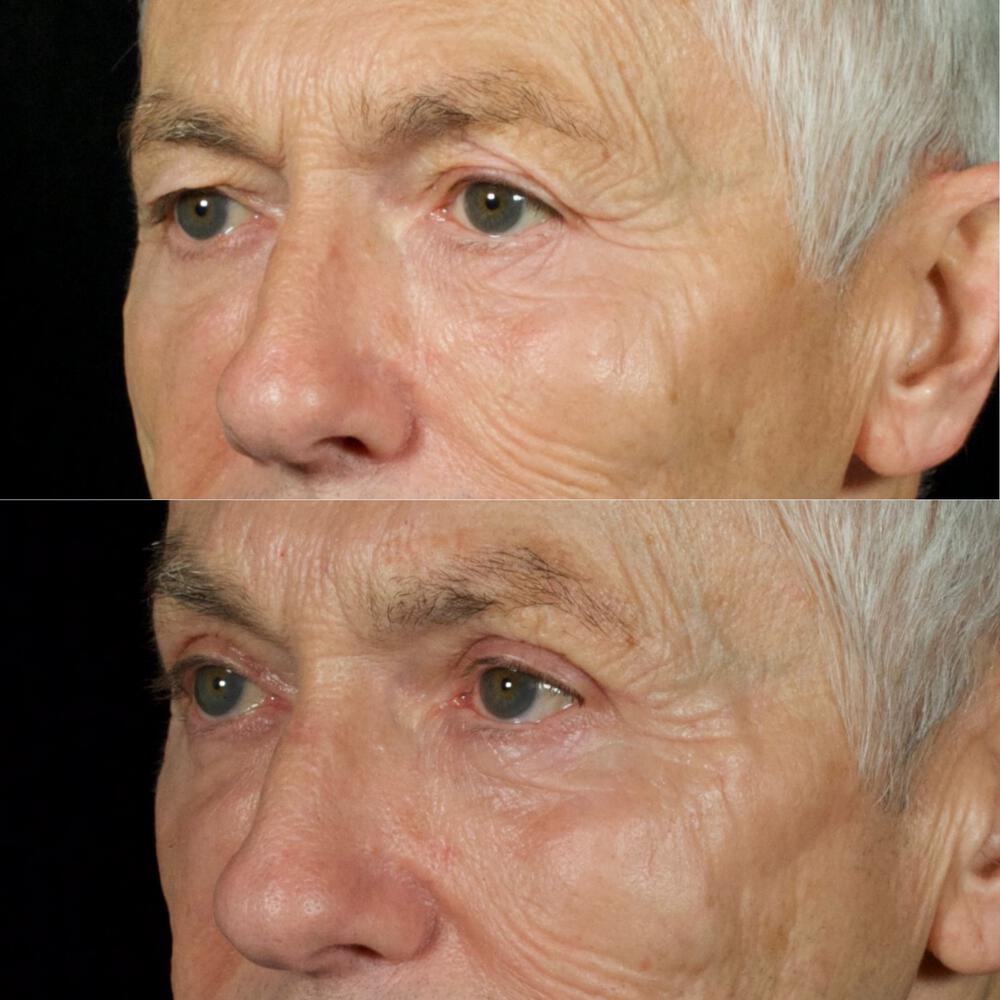
Upper vs. Lower Eyelid Surgery

Upper and lower eyelid surgeries focus on different parts of the eye area and involve different approaches.

Upper Blepharoplasty

Upper blepharoplasty mainly removes extra skin that covers the eyelid crease or sits near the eyelashes. Sometimes, it also treats a small pocket of fat. The goal is to create a clearer upper eyelid shape, while keeping enough skin and fullness so your eyes close comfortably and look natural. An exam will show if the heaviness comes from the eyelid, the brow, or both.

Upper blepharoplasty is different from a brow lift or ptosis repair. A brow lift raises a low brow, while ptosis repair fixes weakness in the muscle that lifts the eyelid. Dr. Roskies checks these factors before recommending surgery to make sure the treatment addresses the real cause of heaviness.

Lower Blepharoplasty

Lower eyelid blepharoplasty helps with puffiness, bulging fat, loose skin, and unevenness between the lower eyelid and cheek. Treatment may include careful fat removal, moving fat, adding fat, treating the skin, or a combination of these. Bags and dark circles can have different causes. The best approach depends on your eyelid support, skin, hollows, and how your lower lid sits against your eye.

Dr. Roskies may use a transconjunctival approach, making an incision inside the lower eyelid, if your concerns can be treated without cutting the outer skin. If you have a lot of extra skin or loose lids, a different method or extra support may be needed. This internal approach avoids a visible scar on the outside, but there is still a surgical cut inside the lid.

Dr Mike Roskies logo

Benefits of Blepharoplasty

For the right patient, eyelid rejuvenation can make a real difference without making your face look unfamiliar. Potential benefits of eyelid surgery include:

  • A clearer, more open upper eyelid contour
  • Less hooding or heaviness above the eyes
  • Improvement when excess upper eyelid skin contributes to visual-field obstruction
  • Reduced lower eyelid puffiness or prominent under-eye bags
  • A smoother transition between the lower eyelid and cheek
  • Better balance between the eyelids, brows, and surrounding facial features
  • A more rested appearance that still looks natural in motion and at rest

Eyelid surgery does not reliably remove dark circles caused by pigment, erase all fine lines, raise a low brow, or correct true ptosis. Toronto blepharoplasty surgeon, Dr. Roskies will explain which changes are possible with eyelid surgery and whether another treatment might be better. Knowing these limits helps you decide if the expected improvement is important to you.

Toronto blepharoplasty model with blonde hair

Who Is a Candidate for Blepharoplasty?

You may be a candidate for Blepharoplasty if you are concerned about:

  • Loose upper eyelid skin that hides the crease or weighs on the lashes
  • Droopy eyelids or sagging skin that restricts part of your field of vision
  • Persistent lower eyelid bags caused by protruding fat
  • Lower lid skin laxity or crepiness
  • A visible hollow or abrupt transition between the lower eyelid and cheek

Good Blepharoplasty candidates are generally healthy, do not use nicotine, and have realistic expectations about surgery and recovery. During your consultation, Dr. Roskies will ask about dry eye symptoms, previous eye surgery, vision changes, thyroid disease, glaucoma, allergies, medications, and any conditions that may affect healing. He will also check the strength and position of your lower lids and your ability to close your eyes comfortably.

Age alone does not determine if you are a candidate. Some people develop hereditary under-eye bags or heavy upper lids when they are young, while others wait until later to consider surgery. The decision depends on your anatomy, symptoms, health, and whether the expected improvement is worth the recovery and risk for you.

If you see your concern described here but are unsure if surgery is right for you, a personal assessment can help identify whether eyelid skin, brow position, fat, or something else is the cause.

Request a Blepharoplasty consultation to discuss your candidacy and learn which options fit your anatomy and goals.

Your Blepharoplasty Consultation

Dr Mike Roskies logo Toronto Surgeon Dr Mike Roskies with model with red hair

Your initial eyelid surgery consultation will focus on your eyes and make general information specific to you.

Dr. Roskies will examine your upper eyelid crease, the amount and distribution of skin, fat compartments, brow position, eyelid height, lower lid tone, tear trough, lid-cheek junction, facial asymmetry, and skin quality. You can share what bothers you and what features you want to keep.

This evaluation helps tell apart concerns that can look similar. Upper eyelid hooding may be partly due to brow descent. A low upper lid margin may mean ptosis, not just extra skin. Lower eyelid darkness can come from shadow, pigment, visible vessels, or a mix of these. Festoons or malar bags sit lower on the cheek and are different from typical eyelid fat pads. Finding the source of each concern helps make sure surgery is only recommended when it can help.

Toronto Blepharoplasty provider, Dr. Roskies will explain if eyelid surgery is right for you, the recommended approach, incision location, anesthesia plan, likely recovery, limitations, alternatives, and risks. Ask how the technique relates to your concern and what improvement you can expect. You can use this information to decide if surgery is worthwhile for you. If you move forward, you will also get instructions on medical clearance, medication or supplement changes, avoiding nicotine, transportation, and preparing your home for recovery. Only stop prescribed medication if your prescribing clinician and surgical team tell you to.

Upper Blepharoplasty Procedure

Upper eyelid surgery is usually done as an outpatient procedure. Before a blepharoplasty Toronto plastic surgeon, Dr. Roskies will mark the amount of skin to be treated, taking into account natural asymmetry and the need for full eyelid closure. The incision follows your natural upper eyelid crease, so the scar becomes less noticeable as it heals.

Through this incision, Dr. Roskies removes extra skin carefully and only addresses fat when needed. A conservative approach is important because removing too much skin or fat can make it hard to close your eyes, cause dryness, hollowing, or an unnatural look. If brow position is part of the problem, he may suggest a separate or combined brow procedure instead of just removing eyelid skin.

Upper eyelid surgery can be done with local anesthesia, sometimes with light sedation, depending on your treatment plan and needs. An upper-lid procedure alone usually takes about an hour; combined eyelid surgery takes longer. Dr. Roskies will tell you how long your surgery is expected to take.

Lower Blepharoplasty Procedure

Lower eyelid blepharoplasty requires a detailed plan for fat, skin, lid support, and the transition into the cheek. For selected eyelid surgery patients, Dr. Roskies uses a transconjunctival incision inside the lower eyelid to access the fat compartments without cutting external skin. Fat may be conservatively removed or repositioned, and fat grafting may be used when additional volume is needed to soften a hollow.

Patients with extra lower eyelid skin, reduced lid tone, or other structural issues may need a different technique or extra support. There is no one-size-fits-all approach for lower eyelid surgery. The goal is to reduce puffiness and create a smoother contour, while avoiding an over-hollowed look or downward pull on the lower lid.

Laser skin resurfacing may be added for some patients when fine lines or loose skin need treatment beyond what surgery can fix. Laser resurfacing improves skin quality, but it does not replace surgery for bulging fat or major structural issues.

Blepharoplasty Incisions and Scars

Upper eyelid incisions are made within the natural crease. A transconjunctival lower blepharoplasty uses an internal incision, while treating the outer lower eyelid skin may require an incision near the lash line. Where the scar is depends on the type of surgery you have.

External scars often look pink or firm early in recovery, but they gradually soften and fade. How visible a scar is depends on genetics, skin type, sun exposure, nicotine use, wound care, and how you heal. If you are worried about scarring, ask where your incision would be; an internal lower-lid incision is only possible if your anatomy and treatment plan allow it. Dr. Roskies will give you instructions for incision care and sun protection, and will check your healing during follow-up visits.

Blepharoplasty Recovery

The First Two Weeks

Following a blepharoplasty Toronto patients may have swelling, bruising, tightness, tenderness, temporary blurred vision, light sensitivity, watering, or dryness during early recovery. These effects usually get much better in the first one to two weeks, though some swelling may last longer, especially after lower eyelid surgery or combined procedures.

Dr. Roskies may recommend cold compresses, keeping your head elevated, using prescribed ointment or eye drops, and limiting activity to help reduce swelling. Follow the instructions you receive, as care can vary depending on your procedure. If you have sedation, arrange for someone to drive you home and stay with you during the first part of your recovery.

If your eyelid surgery uses stitches that need to be removed, the team will tell you when to come back—usually about five to ten days after surgery. Bruising and swelling usually peak in the first two or three days, then get better over the next two to three weeks.

Returning to Work and Exercise

Many Toronto blepharoplasty patients feel ready to return to desk work and normal social activities in about 10 to 14 days, but your recovery may be different. If your job involves meeting people or you have an event soon, plan for possible visible bruising and swelling. Only start wearing makeup, contact lenses, exercising, bending, or lifting heavy things when Dr. Roskies says it is safe. Strenuous exercise may be limited for several weeks, sometimes four to six after combined procedures. Be sure to attend your follow-up visits so the team can check your healing, eyelid position, comfort, and vision.

When to Call the Practice

Contact the practice right away if you have severe or increasing pain, sudden swelling, bleeding, worsening redness, discharge, trouble closing your eyes, shortness of breath, or any new or worsening change in vision. Sudden vision loss is an emergency and needs immediate medical attention.

Dr Mike Roskies logo

Blepharoplasty Results

When Blepharoplasty Results Become Visible

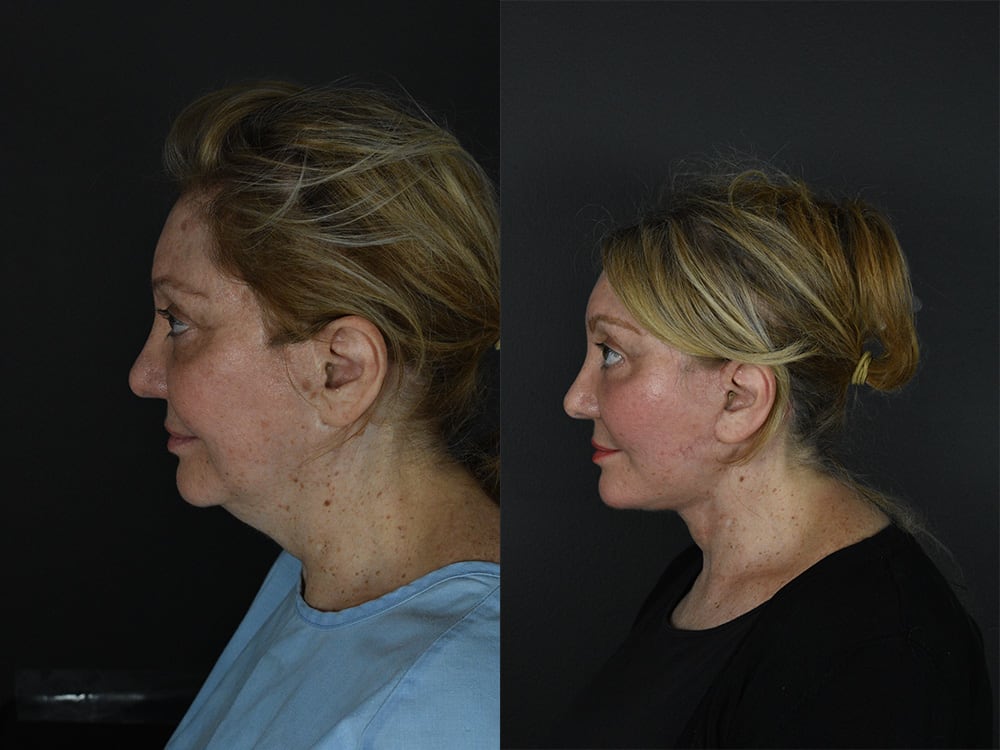
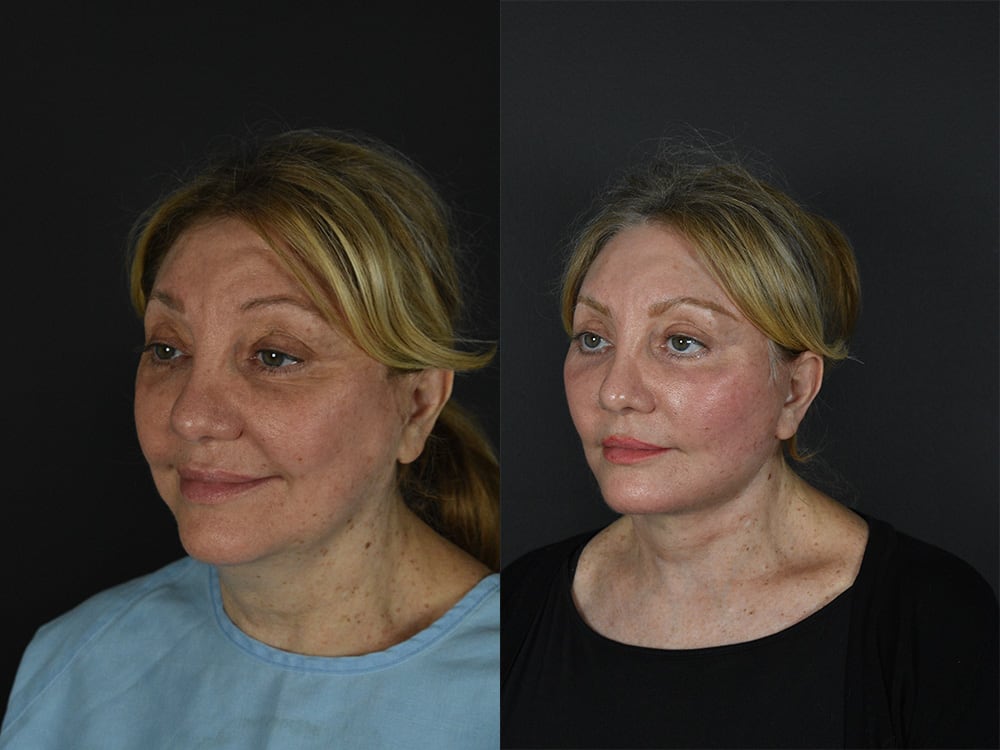
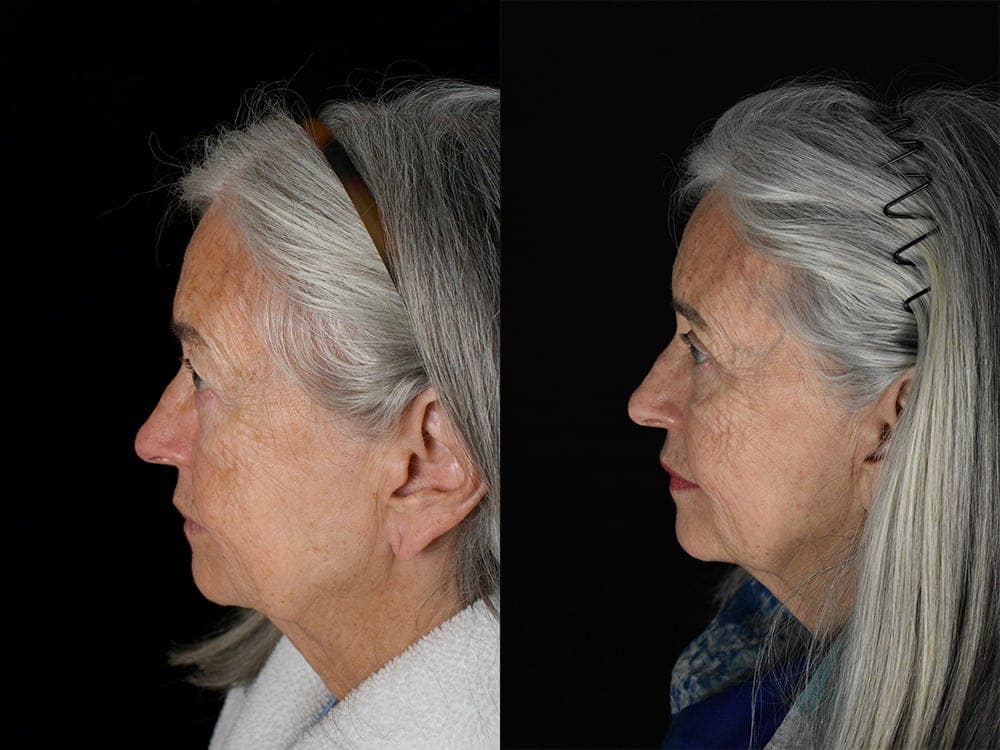
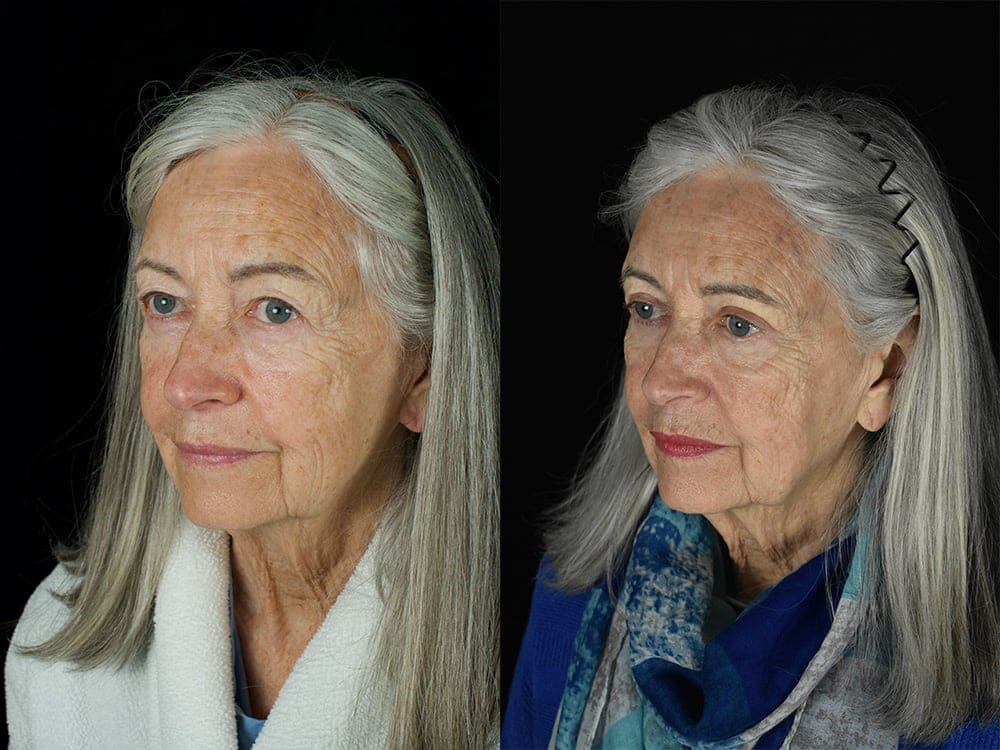
Your eye area will start to look more defined as bruising and swelling go down, but early recovery is not the final result. Incisions keep healing, tissues soften, and any remaining swelling settles over the next weeks and months. Natural differences between the two sides of your face may still be there after surgery.

How Blepharoplasty Results Age

Blepharoplasty results can last a long time, but the procedure does not stop natural aging. Skin and supporting tissues will keep changing, and the brow and surrounding face may droop over time. Sun protection, healthy habits, and good skincare can help keep your skin looking its best. Any future treatments should be based on your needs at that time, not a set schedule.

Toronto blepharoplasty model with blonde hair

Risks of Eyelid Surgery

All surgery has risks. Possible complications from blepharoplasty include bleeding, infection, scarring, dry or irritated eyes, temporary blurred or double vision, trouble closing your eyes, asymmetry, changes in sensation, ongoing swelling, eyelid position problems, injury to nearby structures, anesthesia issues, and the chance of needing another surgery. Changes in vision can happen, and while severe vision problems are rare, they can be serious.

Dr. Roskies will go over the risks that apply to your anatomy and procedure before you decide whether to move forward. This is your chance to talk about any eye-health concerns, past complications, or risks that might make the benefits less worthwhile for you. Surgeon training, careful evaluation, sharing your medical history, avoiding nicotine, and following recovery instructions can lower avoidable risks, but cannot remove them completely.

Can Blepharoplasty Be Combined With Other Procedures?

Blepharoplasty can be done on its own or combined with another facial procedure when each treatment has a clear purpose. A brow lift can help if brow descent is causing upper eyelid heaviness. Facial fat grafting may restore volume in the tear trough, upper cheek, or other areas if volume loss is part of the problem. Laser resurfacing can improve certain fine lines and skin texture.

For patients with aging in several facial areas, eyelid surgery may be planned along with a facelift or another facial procedure. Combining surgeries can mean one recovery period, but it can also increase surgery time, swelling, and recovery needs. Safety and how the treated areas relate to each other guide the recommendation.

How Much Does Blepharoplasty Cost in Toronto?

The cost of blepharoplasty in Toronto varies because upper eyelid surgery, lower eyelid surgery, and combined surgery use different techniques and resources. Pricing depends on how complex the correction is, anesthesia, the surgical facility, fat repositioning or grafting, skin treatment, combined procedures, and aftercare.

Dr. Roskies gives you a personalized price after examining your eyelids and making a surgical plan. Your quote will explain what is included. When comparing options, consider the surgeon’s facial specialization, experience with eyelid anatomy, the surgical setting, follow-up care, and whether each plan addresses the real cause of your concern.

If cost is a factor in your decision, a consultation can determine the procedure you actually need and give you a personalized quote to consider along with the expected benefits, recovery, and risks. 

Talk through your options and request a surgical plan before deciding if eyelid surgery is right for you.

Dr Mike Roskies logo

Why Choose Dr. Mike Roskies for Blepharoplasty in Toronto?

Eyelid surgery is performed very close to the structures responsible for vision, eye closure, expression, and identity. That’s why choosing a blepharoplasty surgeon with training in facial anatomy is so important when planning eyelid surgery in Toronto. Dr. Roskies’ background combines facial aesthetic surgery with reconstructive training. He completed fellowships in Facial Plastic and Reconstructive Surgery at the University of Toronto and Head and Neck Microvascular Reconstruction at Cleveland Clinic. His FRCSC designation means he is a Fellow of the Royal College of Physicians and Surgeons of Canada. His cosmetic surgical practice focuses only on the face.

That specialization leads to a careful, anatomy-based approach to blepharoplasty. The goal is to remove or move only what causes heaviness, puffiness, or imbalance, while protecting eyelid function and keeping the features that make your eyes unique. His assessment also considers when the best recommendation is a different procedure or no surgery at all.

Toronto blepharoplasty model with blonde hair
Toronto Dr Mike Roskies staff

Schedule Your Toronto Blepharoplasty Consultation

If upper eyelid heaviness, under-eye bags, or changes around your eyes are affecting how you look or see, you do not have to decide on a procedure before getting answers. A personal assessment can clarify the cause, what eyelid surgery can and cannot improve, your likely recovery, and the costs and risks of a recommended plan.

Contact Dr. Roskies’ Toronto practice to request a blepharoplasty consultation at 66 Avenue Road #1 in Toronto, Ontario.

Eyelid Surgery Frequently Asked Questions

The goal is to refresh your eyelids while keeping your natural eye shape. Every operation changes tissue, so results can vary. Careful skin and fat treatment, lower lid support when needed, and planning around your anatomy help lower the risk of an overcorrected or unfamiliar look.

It depends on the cause. Lower eyelid surgery may reduce shadows caused by prominent fat bags or a sharp tear-trough contour. It will not reliably fix dark circles caused mainly by pigment, visible vessels, allergies, or very thin skin. Dr. Roskies will identify the likely causes during your exam.

Yes, if you are a good candidate, both upper and lower eyelids can be treated in one operation. Combining them means one recovery period and can give balanced results, but the plan must consider your eye health, surgery length, swelling, and the unique risks of each area.

No. Blepharoplasty removes or moves eyelid skin and fat. Ptosis surgery fixes the muscle that lifts the upper eyelid when the lid margin is too low. Some patients have both issues and may need treatment for each.

Functional blepharoplasty can improve your upper or side vision if extra skin is blocking your view. It will not fix vision problems caused by the eye itself, and not every heavy eyelid is due to extra skin. An exam and, if needed, a visual-field test can help find the cause.

Cosmetic eyelid surgery is generally self-pay. Ontario's rules allow coverage for blepharoplasty only when redundant eyelid skin causes a vertical visual-field defect that crosses the fixation point. The Ministry of Health requires prior authorization, supported by computer-generated visual-field testing and an interpretive report. If your vision is affected, ask about the appropriate assessment and referral pathway; coverage should never be assumed from symptoms alone.

Dermal fillers can soften certain hollows under the eyes, but they cannot remove bulging fat or loose skin. In some people, fillers can make under-eye puffiness more obvious. Dr. Roskies will help decide if lower eyelid surgery, fillers, skin care, or no procedure is best for you.

Blepharoplasty results usually last a long time, but aging continues. Fat treated during surgery may stay improved for many years, while skin, brow position, and nearby tissues keep changing. No responsible surgeon can promise results will last forever or that you will never need more treatment.

This life is what we make of it. Dr. Mike Roskies helps patients like you determine their own futures through innovative, meticulous, and gorgeous facial plastic surgery in Toronto. As one of the rising stars of plastic surgery, patients come from around the country to receive Dr. Roskies’ life-changing procedures. Ready to give your story an exciting new chapter? Schedule a consultation with Dr. Roskies today.

66 Avenue Road #1, Toronto, Ontario M5R 3N8

By submitting this you agree to be contacted by Dr. Mike Roskies via text, call or email. Standard rates may apply. For more details, read our Privacy Policy.

Accessibility: If you are visually impaired or have some other impairment and you wish to discuss potential accommodations related to using this website, please contact our office (416) 922-4513.